Orthic Labs / Notes / Ownership
Ownership · free software vs free tier
Free Software vs Free Tier vs Free Trial: What Changes for You
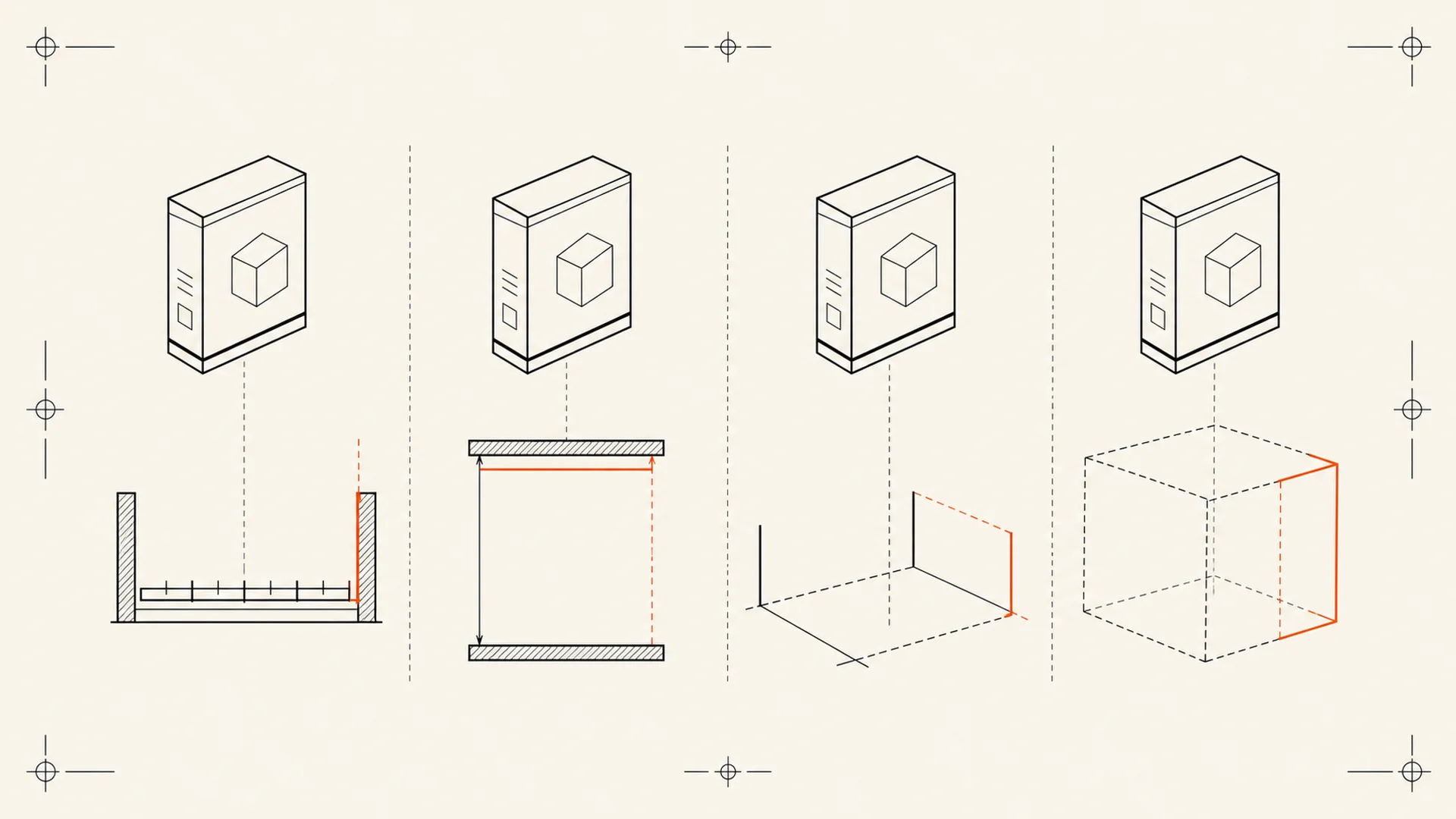
Free software describes user freedoms; freeware describes a zero price; a free tier provides a continuing subset of a paid product; and a free trial expires or changes after a defined period. The same word—free—can describe rights, money, features or time.
Before installing, ask four questions: What can you do? For how long? Under which license? What changes if you never pay?
The four common meanings of free
| Model | Price now | Time limit | Source rights | What changes if you do not pay? |
|---|---|---|---|---|
| Free software | May be zero or paid | None inherent | Defined freedoms to run, study, modify and share | Nothing inherent to payment |
| Freeware | Zero | Usually none | Usually proprietary | Product remains free under current terms |
| Free tier / freemium | Zero for a defined tier | Usually none | Any license | Paid features remain unavailable |
| Free trial | Zero temporarily | Yes, or usage-limited | Any license | Access or major capability ends |
These categories can overlap. An open-source project may be free of charge. A proprietary product may have a useful free tier. A hosted product may combine a free tier with a timed trial of paid features.
“Free software” is about freedom
The GNU Project defines free software through the freedom to run, study, change and redistribute the program, not a zero price. See What is Free Software?.
That distinction protects an important idea: source rights do not disappear because someone charges for distribution or support. It also prevents the opposite confusion—zero-price proprietary software does not automatically grant source access or modification rights.
A free tier is a product boundary
A free tier gives continuing access to a defined capability while paid features sit beyond a feature, capacity or workflow boundary. Apple describes freemium as free download and use with optional purchases for premium capability: App Store business models.
The important word is continuing. A free tier should not become a trial by surprise.
Evaluate it by asking:
- Can you complete a real job?
- Is the output usable outside the app?
- Is there a countdown?
- Are limits based on advanced capability or artificial obstruction?
- Does the free version become read-only after a hidden threshold?
- Can the publisher change the boundary retroactively for existing work?
A free trial is an evaluation window
A trial is honest when the deadline or usage allowance is explicit before the first action. It can expose the full product so a buyer can evaluate fit.
The failure mode is ambiguity: a page says “start free” while hiding that core access ends after seven days. Name the trial, duration, required payment method and post-trial state.
Freeware is zero-price proprietary software
Freeware usually means the publisher charges nothing for use while retaining proprietary source and redistribution terms. It can be an excellent product. Its continuity depends on the license, distribution path and publisher's choices rather than open-source rights.
Do not infer telemetry, privacy, quality or motive from price alone. Zero price is one fact.
What makes a free tier useful rather than decorative?
A useful free tier reaches a complete outcome.
For a dictation product, that might mean turning speech into usable text. For a document product, it might mean opening and editing common local formats. Paid capability can add advanced workflows, scale, automation or specialized models without making the free result a demo artifact.
The boundary should also be visible inside the workflow. Users should know which action requires Pro before investing work in it.
Orthic's RightSuite standard is: useful free, one-time Pro where it makes sense. That does not mean every product has identical economics. It means the free tier is stated as a product, not a disguised countdown.
Compare before you choose
Use this buyer test:
- Rights: Can you inspect, modify or redistribute the source?
- Price: Is the current version zero-cost, one-time or recurring?
- Time: Does access expire?
- Utility: Can the free state complete a real job?
- Output: Can you keep or export the result?
- Continuity: What happens if the publisher or service disappears?
- Upgrade: Which exact capability requires payment?
- Network: Does the free core depend on a remote service?
This test is more useful than arguing over the word.
How this relates to open source and ownership
Open source versus commercial software separates license rights from the product and business model. One-time purchase software separates durable version access from unlimited future service.
Together they produce a clear map:
- Source rights answer what you may do with the code.
- The free tier answers what the product lets you do without payment.
- The paid license answers what capability and version you retain.
- The service terms answer what continuing operation requires.
Mixing those questions creates most “free” confusion.
Mistakes to avoid
Calling a trial a free tier. If ordinary access expires, say trial.
Calling visible source open source. Check the license against recognized open-source terms.
Making the free output unusable. Watermarks, locked export or forced proprietary formats can reduce a free workflow to acquisition theatre.
Hiding the paid boundary until the last step. Show it before the user invests work.
Assuming paid means private. Pricing does not describe the data path.
Frequently asked questions
Is free software always open source?
In the freedom-based sense, free software and open source substantially overlap but use different philosophical framing. In everyday price language, “free software” may also be used loosely for freeware, so check the actual license.
Is freemium the same as a free trial?
No. Freemium normally keeps a defined free tier available without a time limit. A trial expires, becomes restricted or requires payment after a stated period or allowance.
Can a free tier require an account?
Yes. Account requirements are separate from price. Check what data the account stores, whether the core job depends on the service and whether your output can be exported.
Why would a publisher offer a useful free tier?
It can make the product accessible, demonstrate quality on real work and let advanced users fund deeper capability. The publisher should still state how continued maintenance is supported.
Read the exact boundary
Inspect the Orthic catalog and its per-product offers. Do not ask only whether the app is free. Ask what remains useful, what you may keep, and which obligations sit on each side of the boundary.
About Orthic Labs: Orthic Labs is an independent software publisher. It turns open-source ingredients into finished, documented and supported desktop software.