Orthic Labs · Notes from the production line
Software should arrive finished.
Clear answers about productization, local-first software, ownership, signing, updates, and the work between source code and a dependable desktop app.
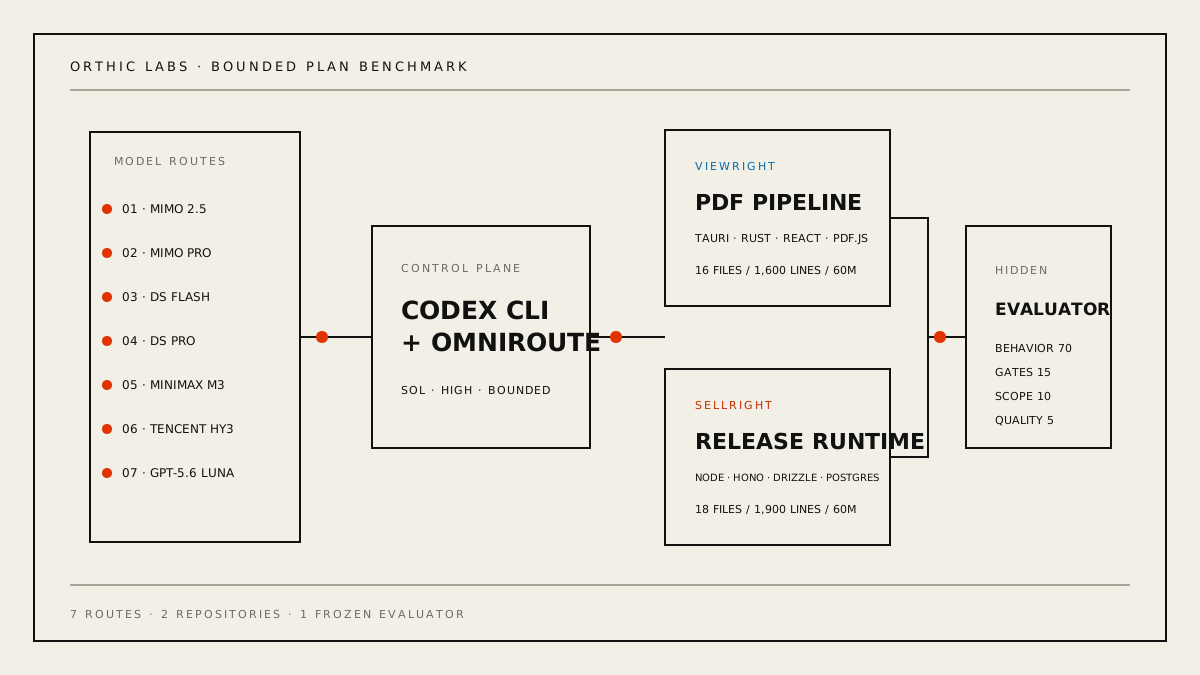
Seven coding models, two real repositories, one frozen harness
Fourteen coding-agent runs across a PDF app and a commerce platform, scored by a hidden evaluator, with times, changed lines and what each run really cost.
Read note →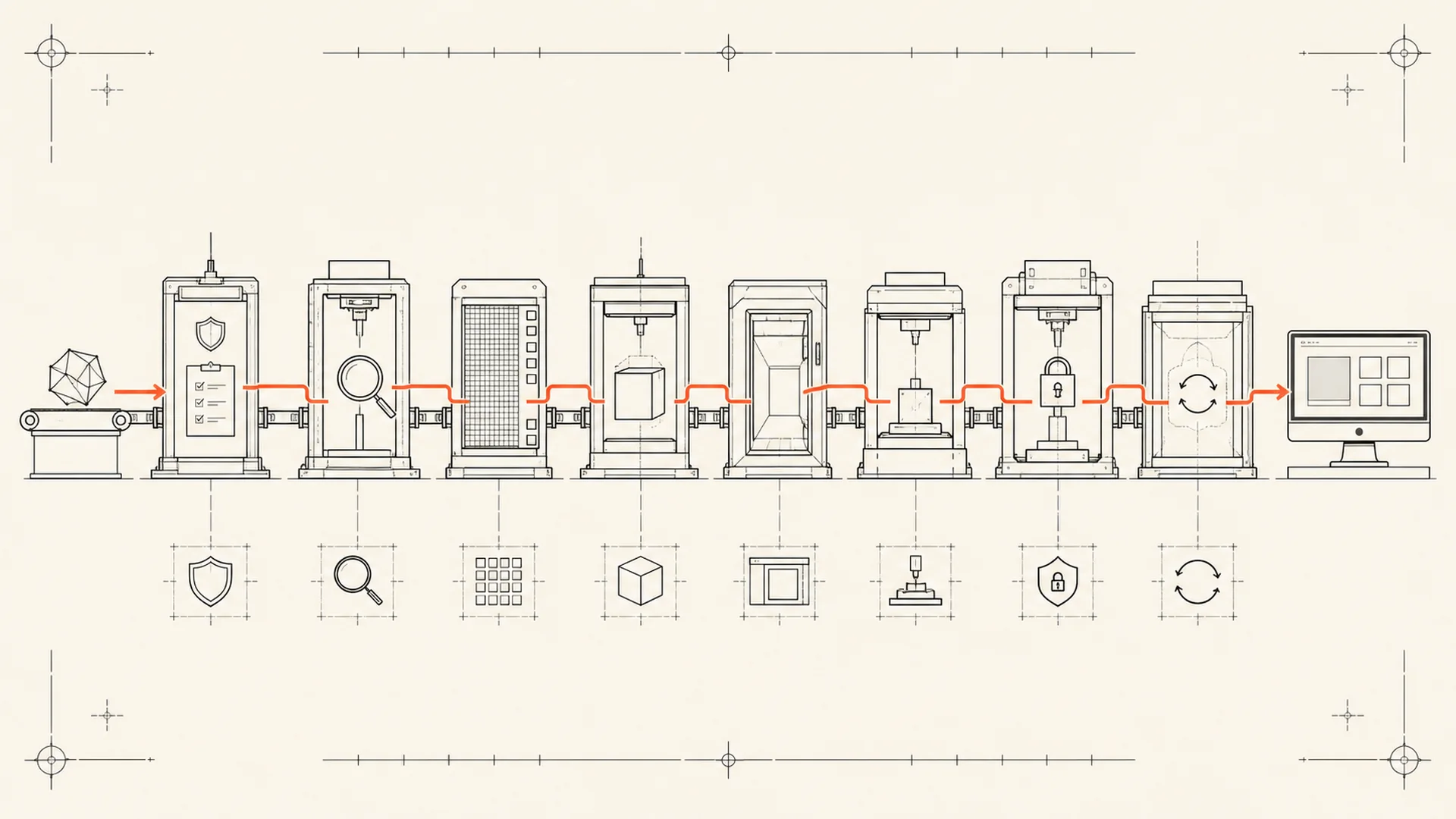
Battle of the cheap LLM subagent models
Seven coding models got one production task, one repo and one time limit. A longer rerun on two repositories later overturned most of this ranking.
Read note →How an Open-Source AI Model Becomes a Desktop App
A model is one component. Turning it into a desktop app takes rights review, evaluation, optimization, runtime packaging, interface, signing and updates.
Read note →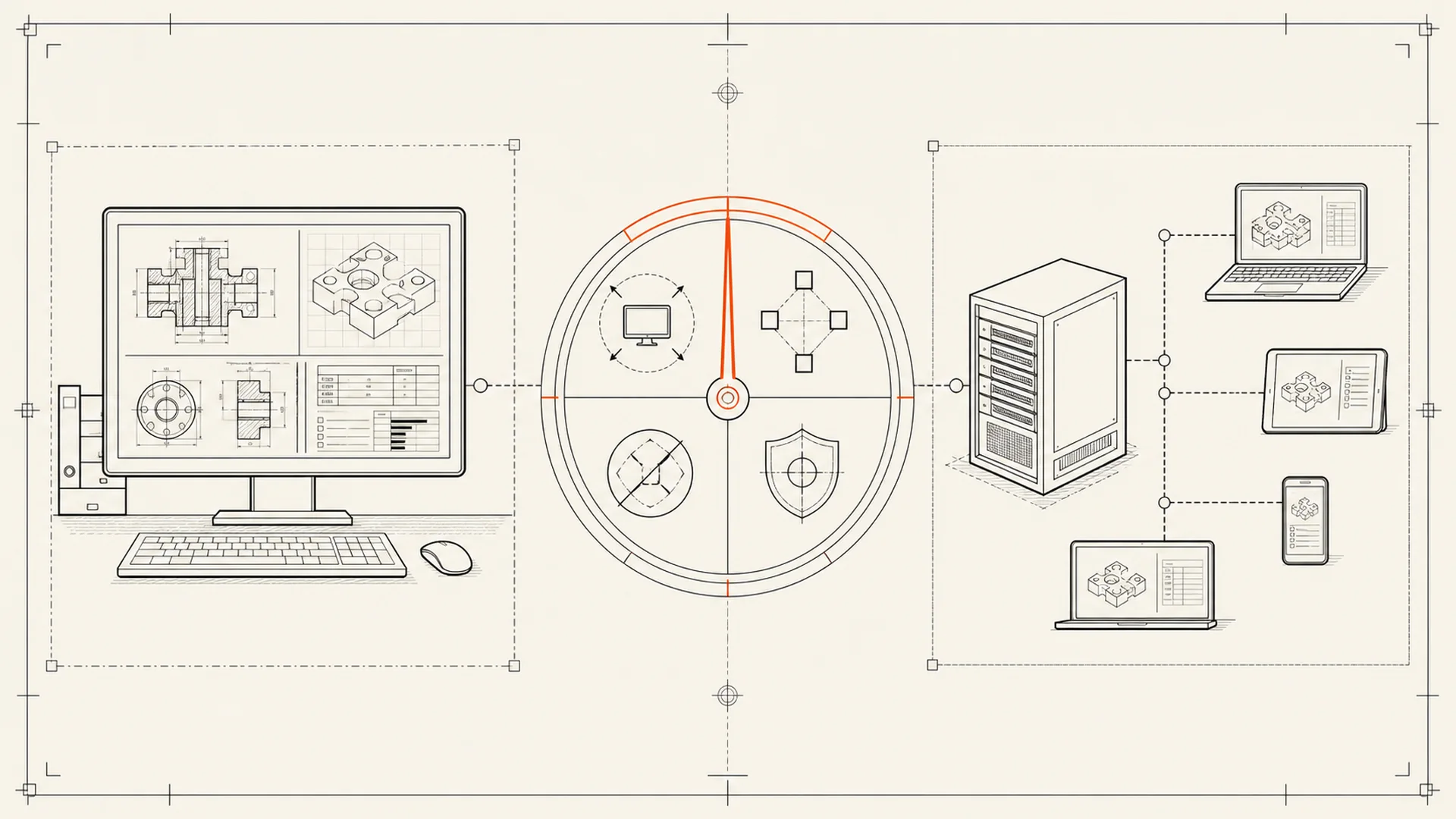
Desktop App vs Web App: Choose Based on Where the Job Lives
Choose a desktop app or web app by locating the job, authoritative data, device access, collaboration needs and failure boundary—not by habit.
Read note →
Free Software vs Free Tier vs Free Trial: What Changes for You
Free software, freeware, free tiers and free trials describe different rights, prices and time limits. Use this table before trusting the word free.
Read note →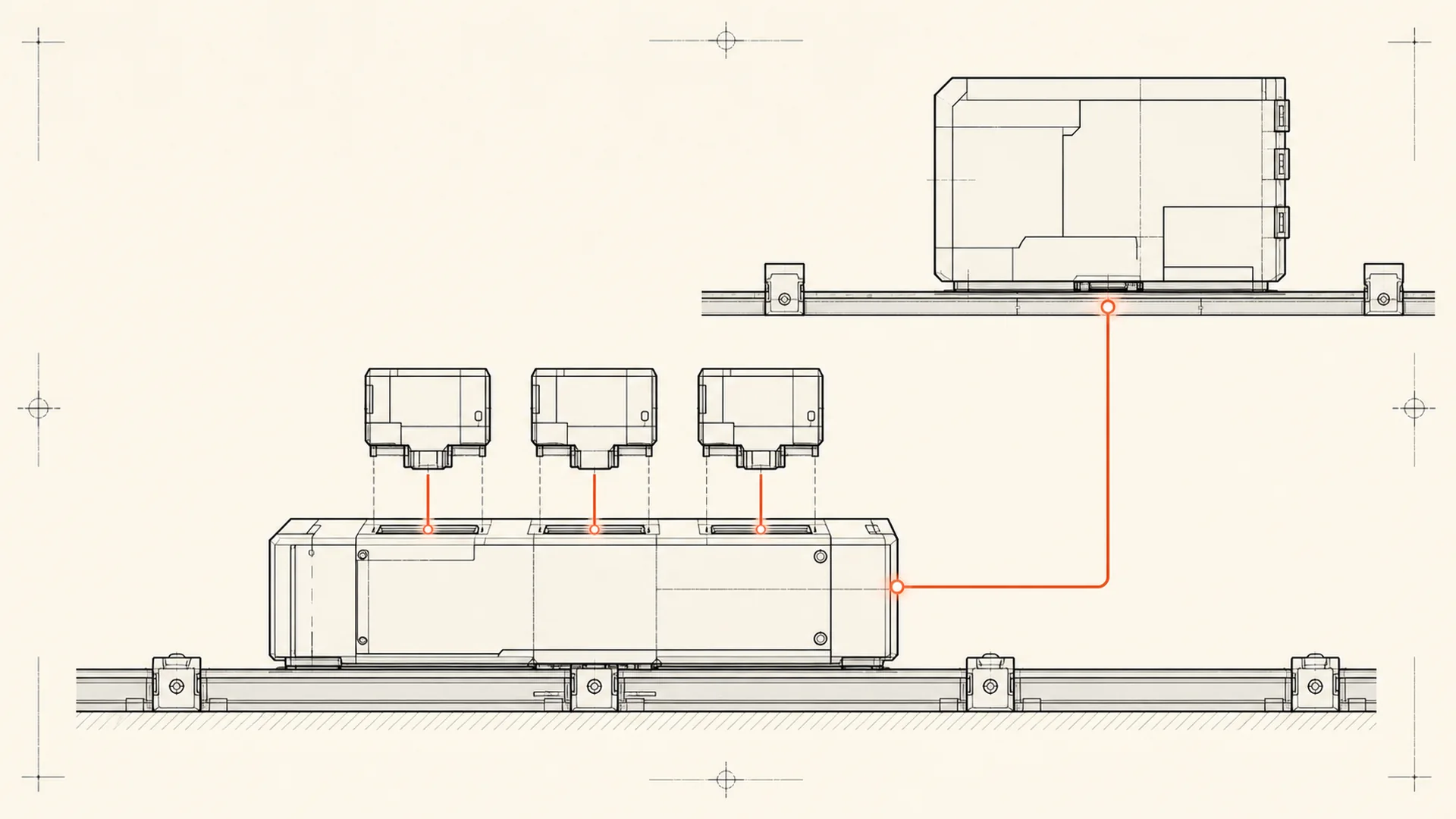
A Fair Software Update Policy: Seven Rules for Software You Own
A fair software update policy fixes supported versions without repossessing purchased features. Use seven rules to judge patches, upgrades and support.
Read note →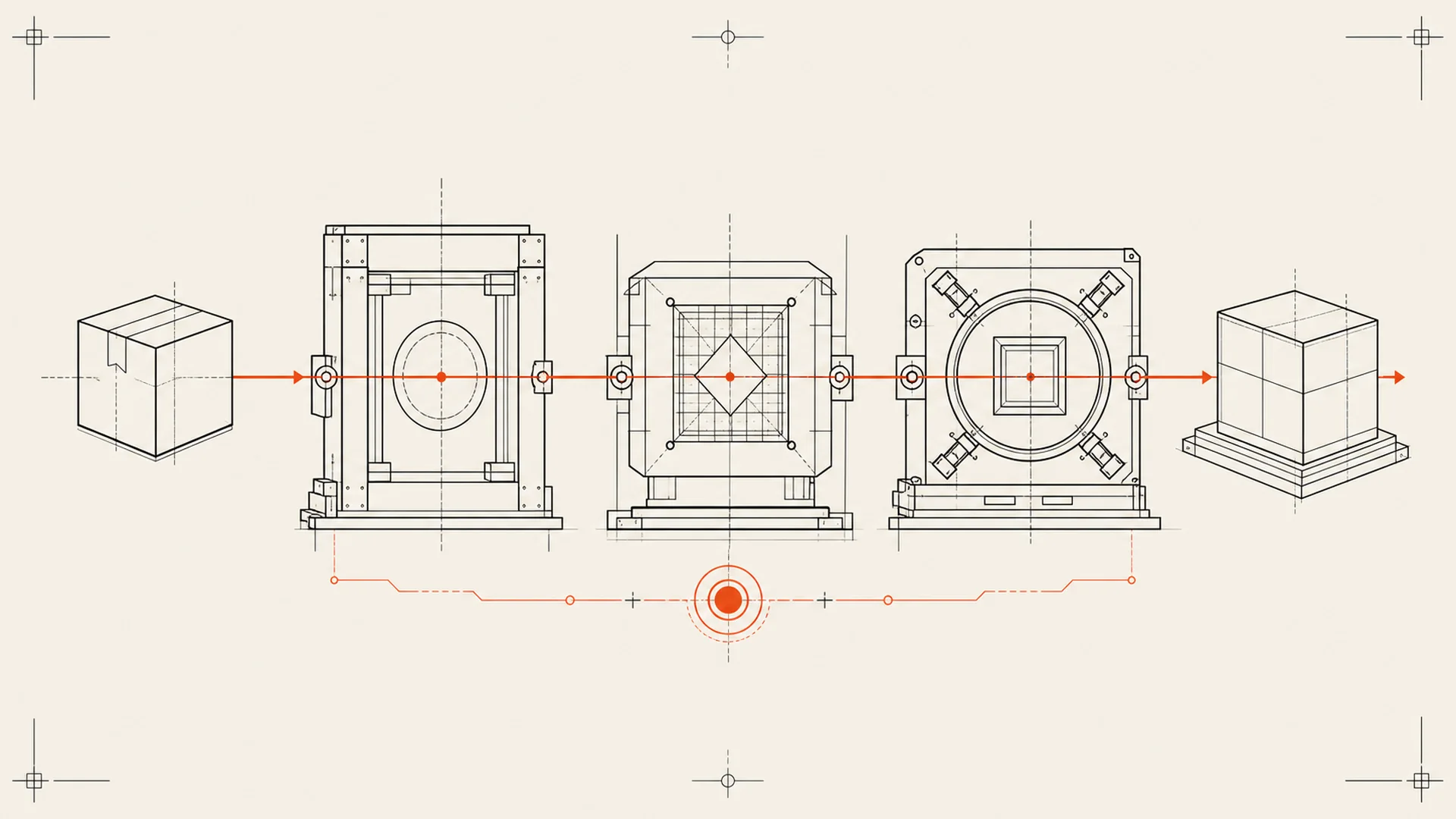
What Does a Signed Installer Mean on Windows and macOS?
A signed installer proves publisher identity and detects changes after signing. Learn what Windows signing and macOS notarization do—and do not—prove.
Read note →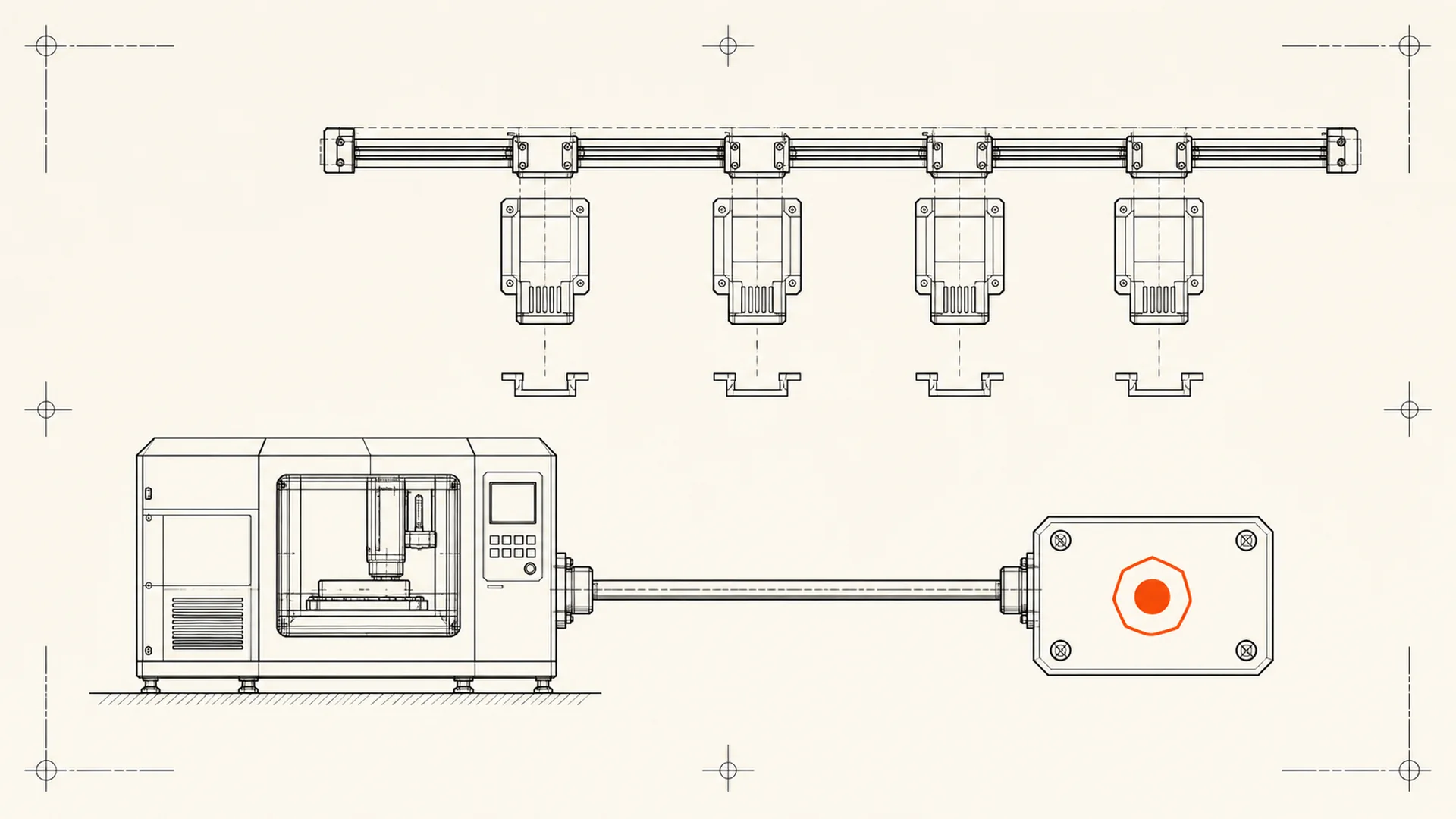
One-Time Purchase Software: What Ownership Should Include
A one-time software purchase should define version access, updates, installer availability, offline use, data export and what survives if service ends.
Read note →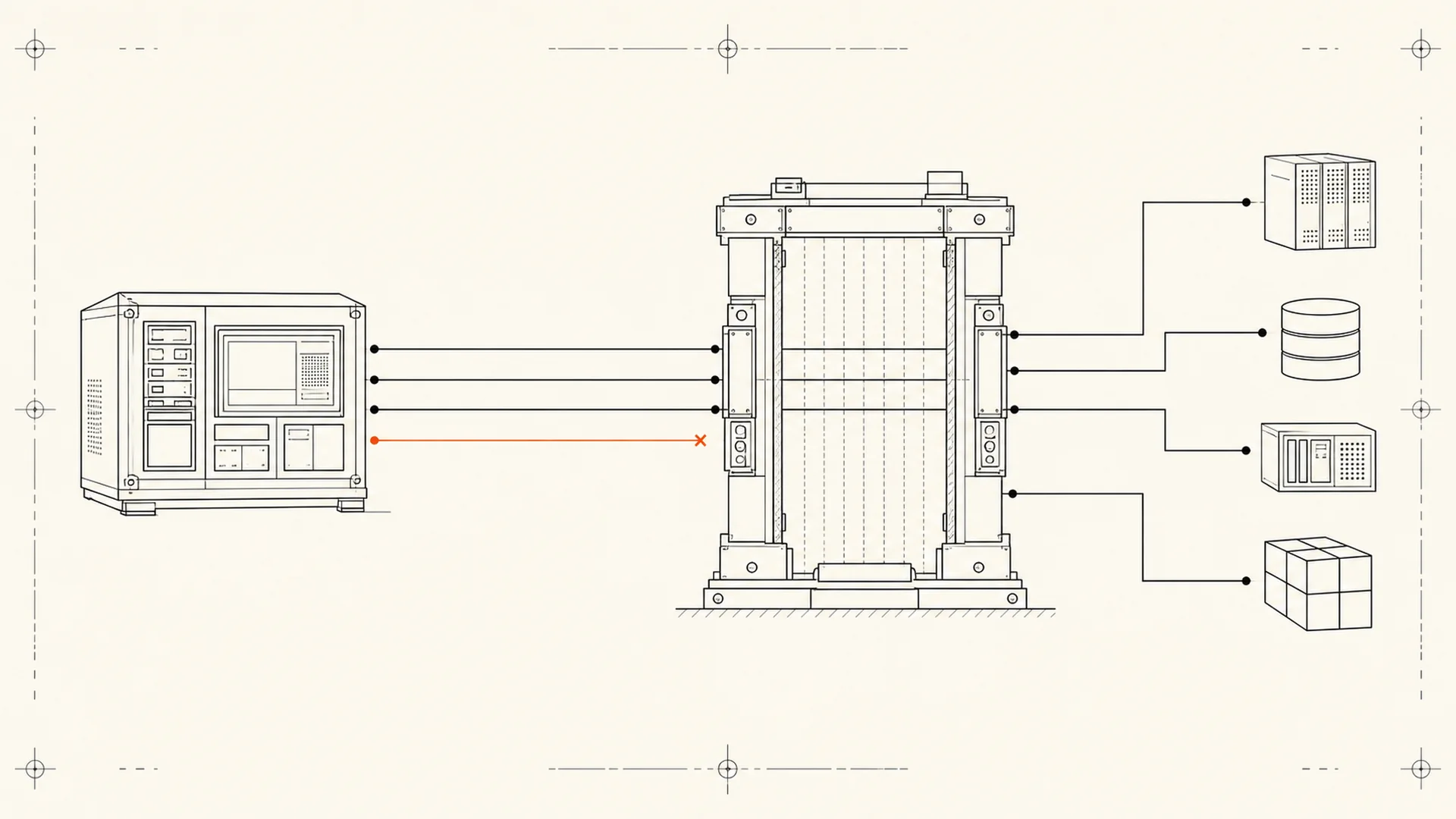
How to Tell If a Desktop App Sends Data to the Cloud
Test whether a desktop app contacts the internet, which actions trigger it and what the result can prove. A practical Windows and macOS workflow.
Read note →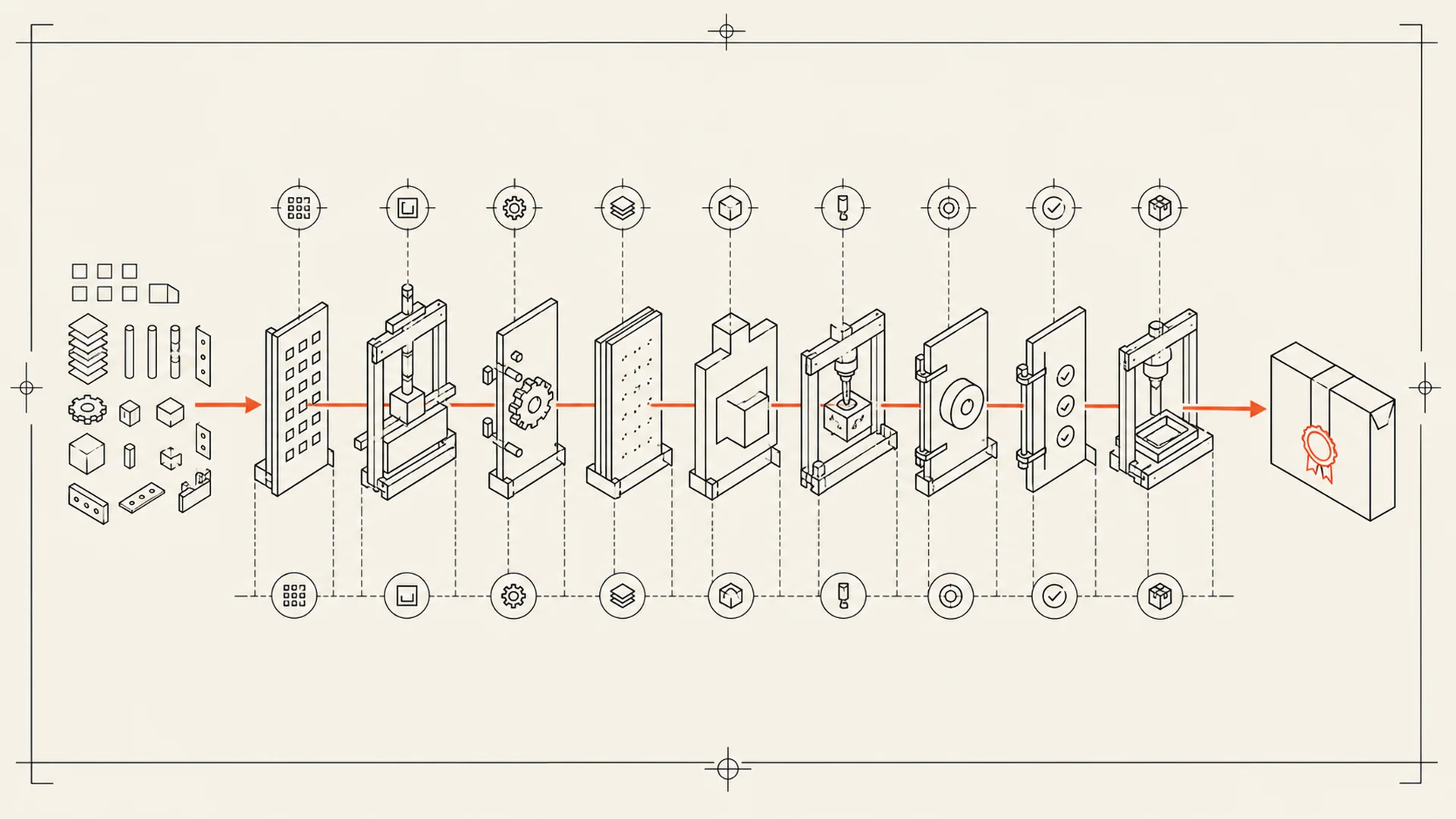
What Is Software Productization? From Repository to Desktop App
Software productization turns a repository into a signed, installable, documented and supported app. See the work between source and product.
Read note →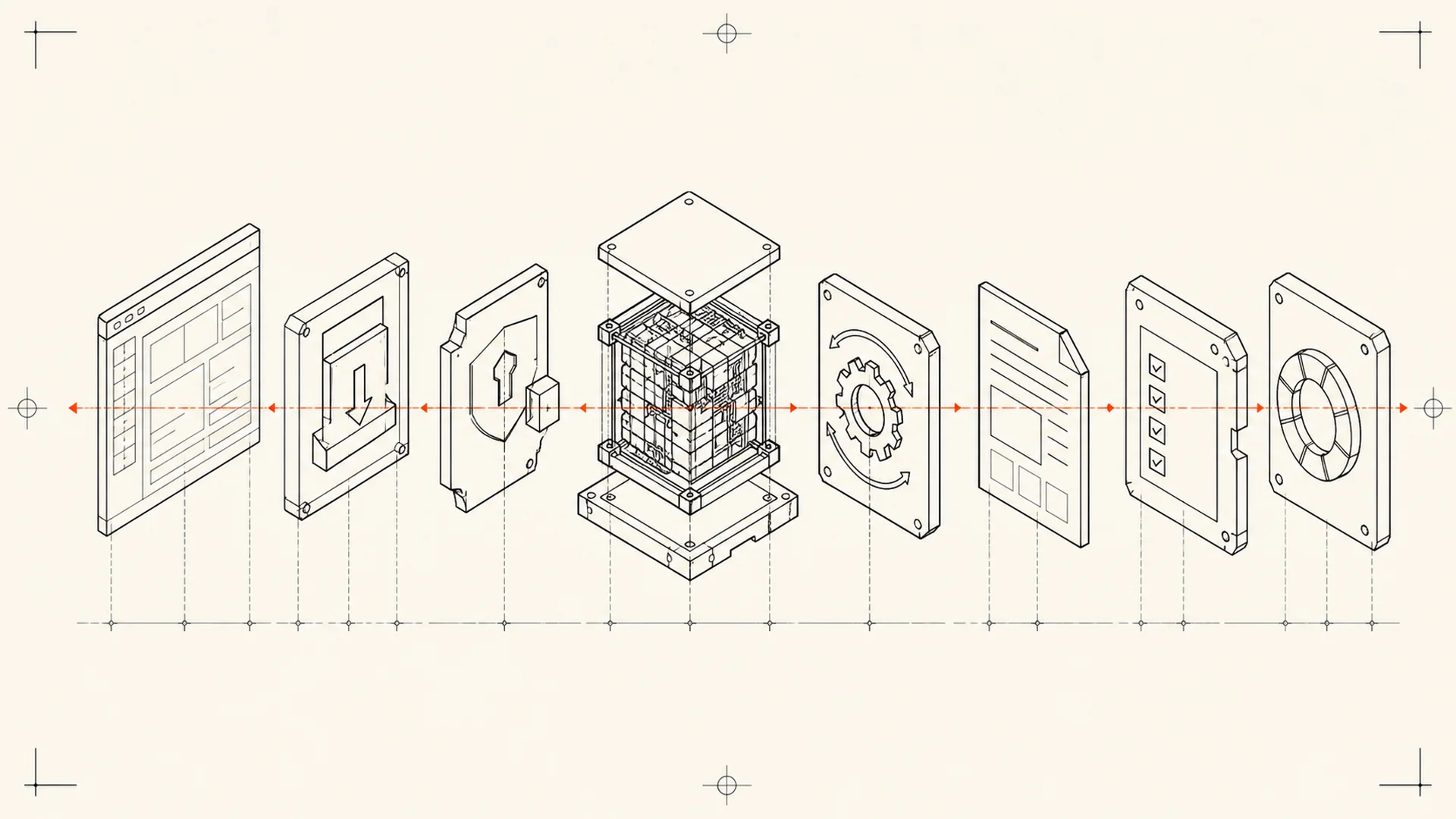
Open Source Software vs Commercial Software: The Real Difference
Open source and commercial software are not opposites. Compare rights, packaging, support, updates and the work that turns source into a product.
Read note →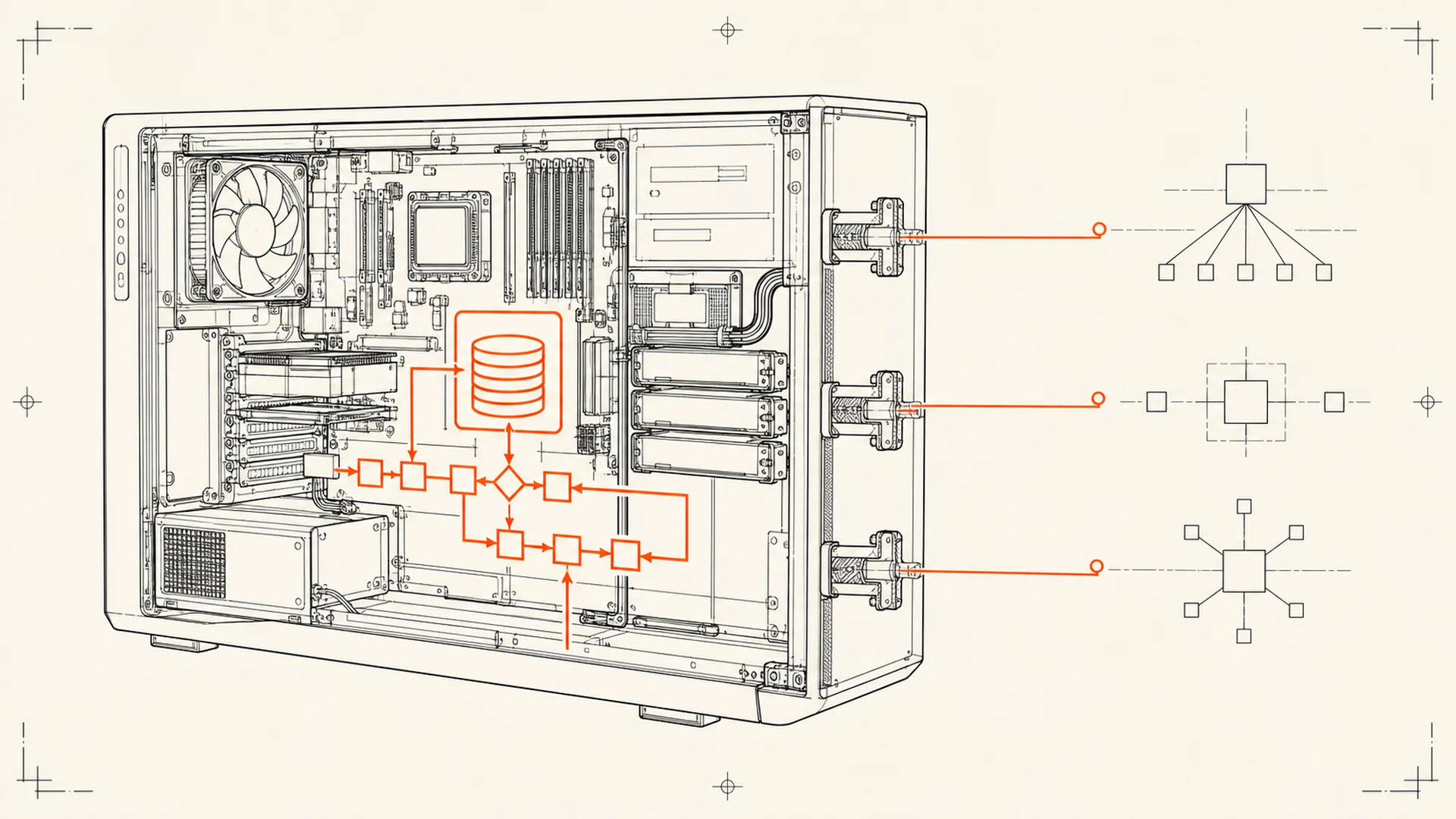
What Is Local-First Software? A Practical Seven-Question Test
Local-first software keeps the authoritative working state on your device. Use seven questions to test offline use, data control and network boundaries.
Read note →